Source Concrete Mixer Truck Engine Assembly for Construction
Find reliable concrete mixer truck engine assembly options for construction projects. Compare 30 listings featuring diesel and electric power types, automatic transmissions, and various mixing capacities to identify the right equipment for your operational needs; compare the available evidence and request quotations based on your requirements.
Key considerations
Products List


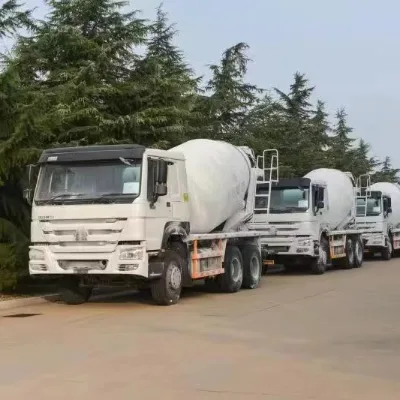


Comprehensive Sourcing Guide
Concrete Mixer Truck Engine Assembly Sourcing Guide
The global market for concrete mixer truck engine assemblies reveals a diverse range of configurations, primarily driven by the need for reliable power in heavy-duty construction environments. Buyers observe listings featuring diesel engines as the dominant power source, with specific models like the Yuchai brand appearing frequently in supplier catalogs. These assemblies are often integrated into semi-dry or wet shotcrete systems, indicating that the engine must handle variable load demands while maintaining consistent hydraulic output for mixing and pumping operations.
Procurement decisions must account for the specific transmission and structural requirements observed in current listings, such as automatic transmission types and cylinder-type structures. The engine assembly serves as the heart of the unit, directly influencing critical performance metrics like productivity rates of 240 cubic meters per hour and climbing capabilities of up to 40 degrees. Sourcing strategies should prioritize verifying the compatibility of the engine with the hydraulic system, which often utilizes open-type oil circuits and dual gear pumps to ensure efficient operation under heavy stress.
Product Scope and Observed Listing Signals
Current market listings indicate a wide spectrum of product models, ranging from compact units like the CTM3 to larger capacity mixers such as the LMT-26 and FMT-16. Buyers should note that observed specifications include varying mixing capacities, with some units offering 2.6 cubic meters while others are designed for different output volumes. The product scope extends to various shotcrete types, including semi-dry, wet, and dry configurations, each requiring distinct engine tuning and hydraulic integration to function correctly within the construction workflow.
Listing signals also highlight significant variations in packaging and origin, with products originating from regions like Shandong and Jiangsu in China. Some units are shipped in standard containers or 40-foot cabinets, while others utilize nude or naked packing methods depending on the supplier's logistics strategy. The observed price range is extensive, spanning from 100 to 580,000 USD, reflecting differences in engine power, which can reach 77.3 kilowatts, and the complexity of the associated water supply and feeding systems.
Technical Specifications to Verify
Engine power and fuel type are the primary technical parameters that require rigorous verification before finalizing a purchase. Buyers must confirm that the diesel engine meets the specific power output requirements for the intended application, as observed models range from standard configurations to high-performance units capable of driving complex hydraulic gates and self-priming pumps. The feeding height of 1400mm and the drum rotating range of 270 degrees are critical dimensions that must align with the engine's torque characteristics to ensure smooth material loading and discharge cycles.
Hydraulic system architecture and water management capabilities are equally vital technical aspects to validate. The engine must effectively drive the open-type oil circuit and dual gear pumps, which are essential for operating the hydraulic gate and maintaining the required vibrating amplitude of 2.0mm. Additionally, the water supply system, often featuring a 24V self-timing centrifugal pump with a maximum suction volume of 90 liters per minute, must be synchronized with the engine's output to prevent operational bottlenecks during the mixing process.
Compliance and Safety Documentation
Certification status is a non-negotiable element of the procurement process, with ISO and CE marks appearing as standard requirements in many listings. Buyers should verify that the engine assembly and the complete mixer unit carry valid ISO9001 certification, ensuring that manufacturing processes meet international quality management standards. The presence of specific color-coded certifications, such as those associated with blue or orange units, may indicate different compliance tiers or regional safety adaptations that must be documented for regulatory approval in the destination market.
Safety documentation must also cover the operational limits and structural integrity of the engine assembly within the mixer truck. The weight of the unit, observed at 4500kg for some models and 61.5kg for smaller components, dictates the need for specific safety protocols during transport and installation. Buyers should request detailed manuals that outline the safe operating procedures for the hydraulic system, including the handling of the 0.6 cubic meter bucket and the management of the 700-800 liter water tank to prevent overloading or mechanical failure.
Cost Drivers and Commercial Terms
The total cost of ownership is heavily influenced by the engine brand, power rating, and the complexity of the hydraulic integration. High-power engines, such as those rated at 77.3 kilowatts, command a premium price but offer superior productivity and reliability for large-scale construction projects. Buyers must analyze the trade-off between initial acquisition costs and long-term operational efficiency, considering that a more robust engine may reduce maintenance frequency and downtime associated with the semi-dry or wet shotcrete processes.
Commercial terms regarding packaging and customization availability also play a significant role in the final pricing structure. While some suppliers offer standard packing, others provide customized solutions according to detailed buyer requirements, which can increase the unit cost. The minimum order quantity is typically low, often starting at a single unit, allowing for flexible procurement strategies. However, buyers should negotiate clearly on lead times and shipping methods, as the origin location in China and the specific packing type, whether nude or in a 40-foot cabinet, will impact logistics expenses.
Supplier Qualification and Quality Control
Supplier qualification should focus on the manufacturer's ability to deliver consistent engine performance and hydraulic system reliability. Buyers must assess the supplier's track record in producing models like the GWM28 or FYG5316GJBG, ensuring they have a history of meeting the specified productivity and structural requirements. The availability of customization services is a strong indicator of a supplier's technical flexibility, allowing them to adapt the engine assembly to specific site conditions or unique operational demands.
Quality control processes must be verified through the supplier's adherence to the stated certifications and production standards. The observation of "New" condition products suggests that suppliers are delivering fresh inventory, but buyers should insist on pre-shipment inspections to confirm the integrity of the engine and hydraulic components. The supplier's location in provinces like Shandong or Jiangsu should be cross-referenced with their logistical capabilities to ensure that the heavy machinery can be transported safely without compromising the structural integrity of the cylinder type or the hydraulic gate mechanisms.
Long-Term Procurement Checks
Sustainable procurement requires establishing a framework for ongoing performance monitoring and maintenance support. Buyers should verify the availability of spare parts for the engine and hydraulic system, ensuring that the 24V self-timing pump and dual gear pumps can be serviced without significant delays. The long-term viability of the concrete mixer truck depends on the supplier's ability to provide technical support for the specific model number, whether it is the CTM series or the LMT series, to maintain optimal productivity levels over the asset's lifespan.
Regular audits of the supplier's quality assurance processes are essential to maintain the high standards observed in the initial product listings. Buyers should implement a schedule for reviewing the engine's performance against the original specifications, such as the 40-degree climbing capability and the 270-degree drum rotation range. This proactive approach ensures that the concrete mixer truck continues to meet the rigorous demands of the construction industry, preventing costly downtime and ensuring that the investment in the engine assembly delivers consistent value over time.
FAQs
What engine power options are available for concrete mixer trucks?
Diesel engines are the standard power source for these trucks, with common outputs around 77.3kw. Electric engine options also exist for specific applications. Buyers should verify the exact power rating and fuel type to match their operational requirements and site constraints effectively.
Which certifications are required for concrete mixer truck manufacturers?
Manufacturers typically hold ISO9001 and CE certifications to ensure quality and safety compliance. Some products may also display ISOCE marks. These certifications verify that the production processes meet international standards, providing buyers with confidence in the reliability and regulatory adherence of the machinery.
Can concrete mixers be customized for specific project needs?
Yes, customization is available for many concrete mixer models. Buyers can request specific packing methods, such as nude packing or standard containers, and tailor features like mixing capacity or hydraulic systems. This flexibility allows for precise alignment with unique construction site demands and logistical preferences.
What is the typical mixing capacity for automatic loading mixers?
Automatic loading concrete mixers often feature a mixing capacity of 2.6 cubic meters. This size supports efficient on-site concrete production. The drum rotating range and loading times are optimized for this capacity, ensuring consistent mixing quality while maintaining high productivity rates for continuous construction workflows.
How does the hydraulic system affect concrete mixer performance?
The hydraulic system, often an open type with two gear pumps, drives the drum rotation and gate mechanisms. This setup ensures smooth operation and reliable control. Hydraulic components are critical for maintaining the structural integrity and functional efficiency of the mixer during heavy-duty construction tasks.
What are the shipping and packing options for these trucks?
Packing options include nude packing, standard packing, or 40-foot cabinet containers. The choice depends on the product dimensions and buyer preference. Proper packing ensures safe transit from origins like Shandong or Jiangsu, China, protecting the machinery from damage during international shipping and handling.